
Online gaming has transformed from a niche hobby into a global cultural force. What began as simple multiplayer lobbies has evolved into interconnected digital ecosystems where competition, creativity, and community converge.
In 2026, gaming is no longer just entertainment — it’s social infrastructure, economic opportunity, and even a career path.
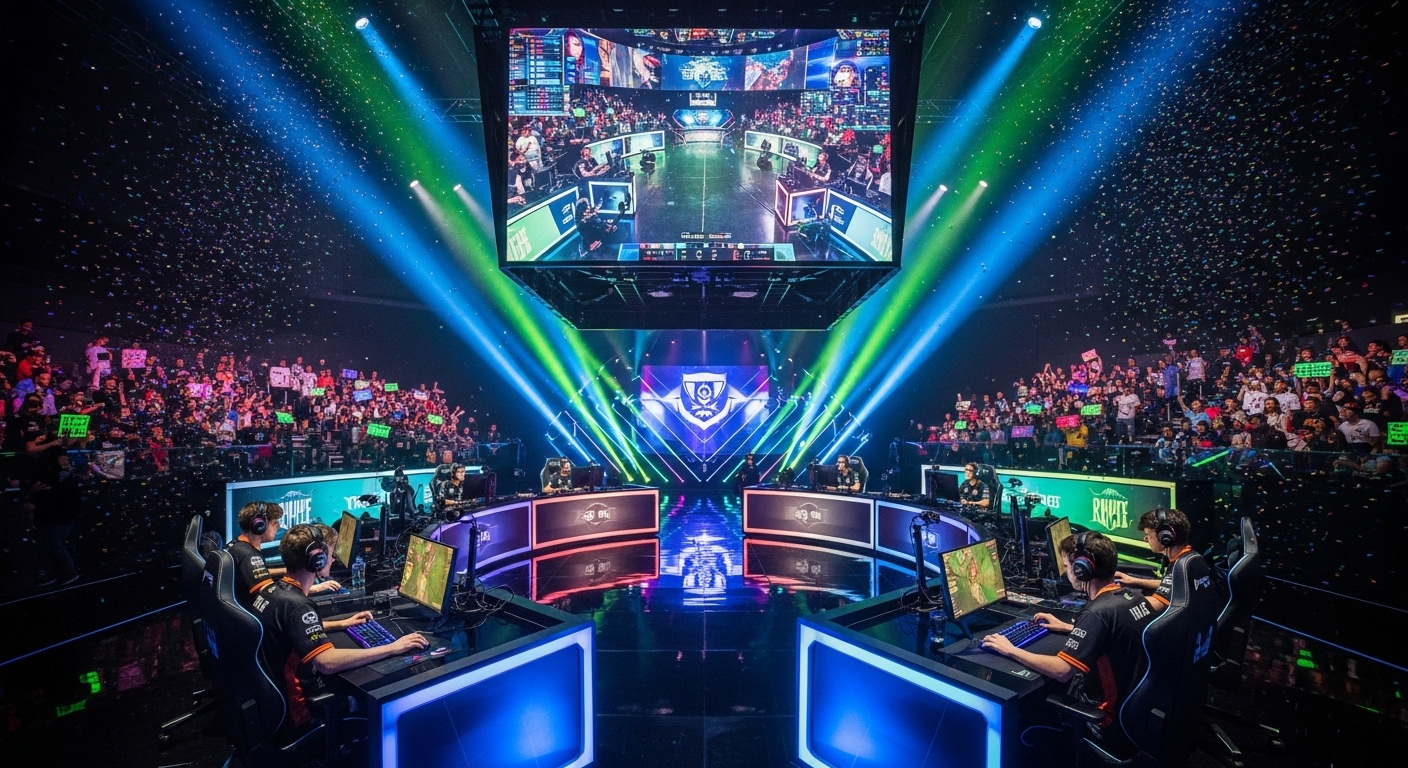
From esports arenas packed with thousands of fans to virtual marketplaces trading digital items worth millions, the modern gaming landscape is more complex and influential than ever before.
This article explores how competitive gaming has evolved, how digital economies are reshaping player behaviour, and why online titles continue to dominate the entertainment industry.
From LAN Parties to Global Arenas
In the early days of online multiplayer gaming, players gathered in local networks to compete. Fast forward to today, and global servers connect millions of players simultaneously. Titles in genres like FPS, battle royale, MOBA, and tactical shooters regularly attract massive concurrent player bases.
High-speed internet infrastructure and cloud-based services have eliminated many technical barriers that once limited access. Now, players from different continents can compete in real time with minimal latency.
This seamless connectivity has allowed competitive gaming to flourish. What once required physical proximity now requires only a stable connection and a capable device.
The Rise of Esports as Mainstream Entertainment
Esports is no longer considered a subculture. It has become a structured, professionally organized industry with:
- International tournaments
- Multi-million-dollar prize pools
- Dedicated training facilities
- Sponsorships from global brands
- Broadcast-quality production
Competitive gaming events now rival traditional sports in viewership numbers. Streaming platforms regularly host tournaments that attract millions of concurrent viewers, and professional players are treated like celebrities within their communities.
Unlike traditional sports, however, esports evolves rapidly. Game updates, balance patches, and seasonal changes keep competition fresh and unpredictable.
Digital Ownership and In-Game Economies
One of the most transformative developments in modern gaming is the rise of digital item economies.
Cosmetic skins, weapon finishes, character outfits, and rare collectibles have introduced a new dimension to online gaming. These digital items often hold real-world value, driven by rarity, demand, and player interest.
Virtual economies operate on familiar principles:
- Limited supply increases scarcity
- High demand drives prices upward
- Community trends influence perceived value
In competitive shooters especially, players frequently buy, exchange, or resell digital cosmetics depending on market trends. For example, those looking to manage their inventories strategically can sell CS2 skins through third-party marketplaces that provide transparent pricing and real-cash withdrawal options. This reflects how modern gaming has evolved beyond simple ownership into active participation in digital asset markets.
Players now treat certain digital items as collectibles, investments, or tradeable commodities. This shift has blurred the line between gaming and digital finance.
Streaming and Content Creation
The explosion of streaming platforms has fundamentally changed how games are consumed. Players no longer just play games — they watch others play.
Streamers and content creators influence:
- Game popularity
- Meta strategies
- Item demand
- Community trends
A single viral clip can spark renewed interest in a game or bring attention to a specific strategy or cosmetic item.
Streaming has also democratized gaming careers. Many players now aspire to become content creators rather than professional competitors. With the right mix of personality, skill, and consistency, individuals can build large audiences and sustainable income streams.
Competitive Balance and Game Updates
One of the reasons competitive titles remain popular is continuous developer support.
Modern competitive games frequently release:
- Balance patches
- Seasonal updates
- New maps
- New characters
- Gameplay adjustments
These updates keep the experience dynamic and prevent stagnation. However, they also influence the in-game economy and player behavior.
For example, if a weapon becomes stronger due to a balance patch, players may gravitate toward it — increasing demand for its cosmetic skins. Conversely, nerfs can decrease popularity.
Developers must carefully manage these changes to preserve both competitive integrity and economic stability.
The Social Side of Gaming
Online gaming is not just about competition; it’s about connection.
Players build friendships across borders, form teams, and develop long-term communities. Voice chat, guild systems, and team-based gameplay foster collaboration and shared achievement.
In many ways, games function as digital social spaces — similar to forums or social networks but centered around shared objectives.
Especially in 2026, as remote interaction becomes more normalized, gaming communities provide:
- Social belonging
- Shared identity
- Competitive camaraderie
- Creative collaboration
For younger generations, gaming is often the primary way they socialize.
Cross-Platform and Accessibility Growth
Another major trend shaping the gaming world is cross-platform play.
Players on PC, consoles, and even mobile devices can now compete in shared ecosystems. This reduces fragmentation and strengthens player bases.
Accessibility features have also improved significantly. Modern titles incorporate:
- Customizable controls
- Visual accessibility settings
- Adaptive input support
- Colorblind modes
These improvements ensure more players can participate regardless of physical limitations.
The Role of Artificial Intelligence in Gaming
AI is increasingly integrated into modern gaming experiences.
In competitive environments, AI assists with:
- Anti-cheat detection
- Matchmaking optimization
- Player behavior monitoring
Beyond competitive modes, AI enhances NPC behavior, procedural world-building, and even dynamic storytelling.
In 2026, AI-driven systems are helping create smarter matchmaking that pairs players based on skill levels and behavioral patterns, improving overall fairness.
Challenges Facing Modern Gaming
Despite its growth, online gaming faces ongoing challenges:
1. Toxicity and Player Behavior
Developers continuously implement systems to reduce harassment and improve community health.
2. Market Volatility
Digital economies fluctuate, and not all items retain value.
3. Cheating and Exploits
Advanced anti-cheat systems help mitigate unfair play but require constant refinement.
4. Burnout
Professional players and streamers often face intense schedules, leading to mental health concerns.
Addressing these issues is critical for maintaining long-term industry health.
Final Thoughts
Online gaming in 2026 is far more than a pastime—it has evolved into a global digital ecosystem that blends competition, creativity, technology, and economic opportunity. What began as simple multiplayer entertainment now influences social interaction, career paths, and even digital asset markets.
As technology advances and communities grow stronger, online gaming will likely remain one of the most powerful cultural forces of the next decade, constantly redefining what it means to play, interact, and build value in virtual worlds.
