
Photo by Chris Montgomery on Unsplash
Buying specialized gear rarely starts with a checkout button. It usually starts with a question, a rabbit hole, and one suspiciously confident forum user named something like TorqueWizard77. That pattern makes sense.
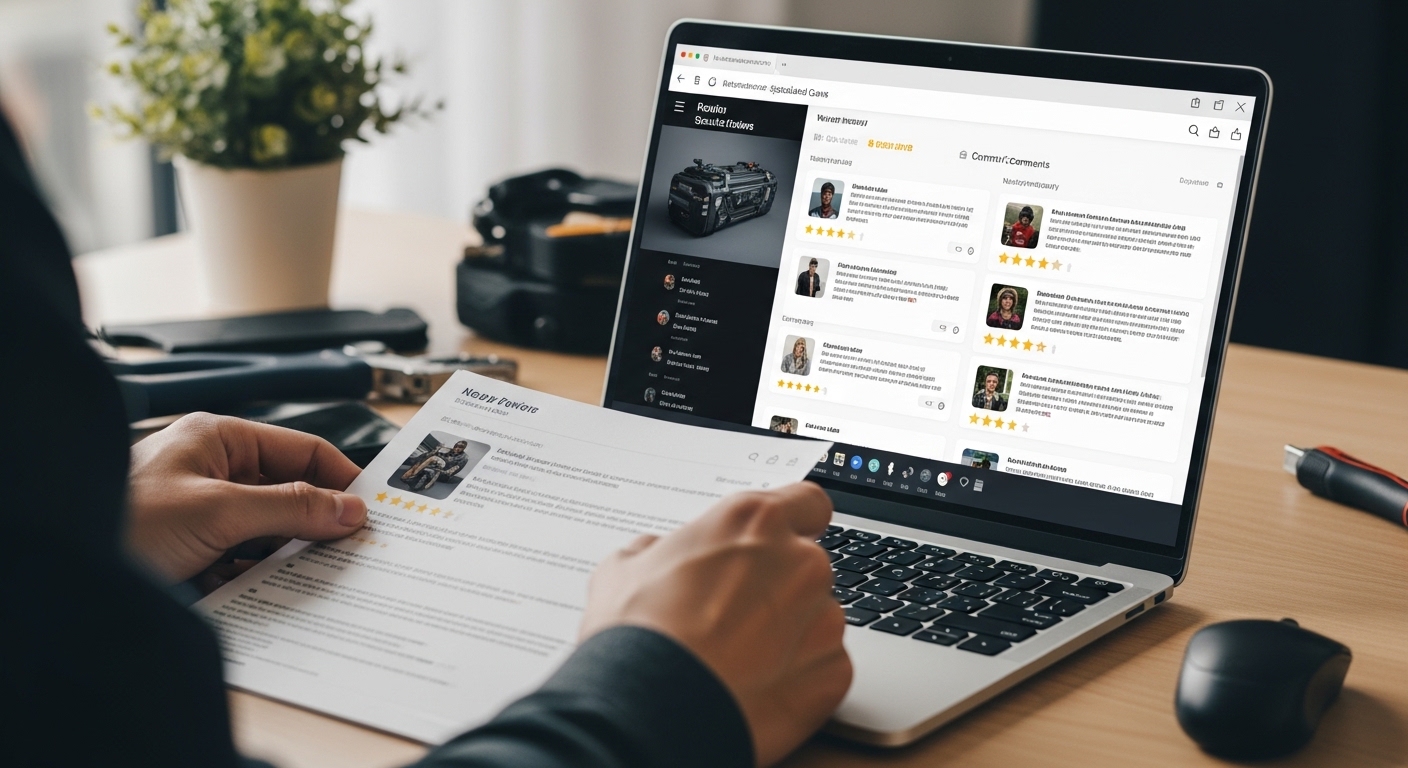
When products cost more, solve niche problems, or demand real know-how, people look for proof from other people first. Research on reviews, user-generated content, and online trust keeps showing the same thing: peer input shapes confidence, trust, and purchase intent.
Why Specialized Gear Rarely Sells Itself
Specialized gear asks buyers to think harder than everyday products do. A basic phone case needs little explanation. A suppressor, precision tool, tractor attachment, or high-end component asks different questions: Will it fit? Will it last? Does it solve my exact problem? Can I trust the brand claims?
That gap between marketing copy and real-world use explains why communities matter so much. Buyers want details that only owners, enthusiasts, and experienced users tend to share.
Recent research on online customer reviews found that review quality, usefulness, completeness, and consistency affect perceived value and trust, which then shape purchase intention. In plain English, people want specifics, not slogans.
Forums Turn Product Pages Into Real Buying Tools
A product page gives the official story. A forum thread gives the stress test. When both line up, trust grows fast.
That is where communities earn their keep. A product page can list materials, specs, and compatibility. A forum can answer the annoying but crucial follow-up questions: Does this run hot? How does it feel after long use? What setup works best? What should a first-time buyer know before spending real money?
Studies on online community trust and user-generated content keep pointing to the same pattern: community interaction reduces uncertainty and helps buyers feel more secure in their choice.
For example, a buyer who sees a product page for an AK suppressor can read the official details first. Zastava Arms USA describes the ZVUK titanium suppressor as rated for full-auto use, built with a direct thread adapter, and designed for durability under intensive conditions. When community discussion supports those kinds of claims with firsthand feedback, the page stops feeling like an ad and starts feeling like a decision tool.
The Best Communities Explain Context, Not Just Opinion
The strongest communities do not just shout “buy it” or “skip it.” They explain context. That matters because specialized gear rarely has one universal winner. The right choice depends on use case, experience level, budget, environment, and maintenance habits.
A solid forum reply often sounds more useful than polished brand copy because it includes conditions. Someone says a product works best for a certain setup, climate, farm size, or workload. Someone else adds what broke, what held up, and what they would choose the second time. That sort of layered advice helps buyers match products to real needs.
You see the same principle in other gear-heavy fields too. Buyers of agricultural equipment, for instance, often compare support, spare parts, and long-term usability as much as raw specs.
That is one reason sites like AgroCesla matter in the wider ecosystem: they present machinery, service support, and product range in a way that buyers can compare against real-world discussion and ownership needs.
Agro Cesla states that it supplies agricultural machinery, offers service and spare parts, and works with multiple machinery brands, which gives buyers concrete checkpoints for evaluation.
Trust Grows Faster When Brands Do Not Hide From Discussion
Communities influence buying decisions most when brands accept scrutiny instead of trying to dodge it. That means clear product pages, visible specs, honest support content, and a willingness to let buyers compare notes in public.
This approach works because modern buyers have become more skeptical. Research shows that people rely on reviews and user-generated content, but they also question authenticity more than before.
That tension makes transparency even more important. If a brand page offers precise facts and the community adds believable, real-use details, buyers feel safer. If the page sounds vague and the comments sound weirdly robotic, wallets stay closed.
Regulators have noticed this problem too. In 2024, the U.S. Federal Trade Commission finalized a rule that targets fake reviews and fake social proof. That move reflects how important reviews have become in actual buying behavior. Once governments start policing fake praise, you know the comment section stopped being “just comments” a long time ago.
What Buyers Actually Look For in Community Conversations
Most people do not enter a niche community to find hype. They show up to reduce risk. They want signs of competence, honesty, and repeated experience. They look for people who explain trade-offs clearly, answer follow-up questions, and admit limits. Oddly enough, a small complaint can increase trust when it sounds real and proportionate. Nobody believes a product with ten thousand flawless reviews anymore. That fantasy expired years ago.
Buyers also pay attention to pattern recognition. One review helps a little. Ten similar reports from experienced users help a lot more. Research on online reviews and trust supports this idea: quantity, perceived authenticity, and usefulness all affect whether consumers believe what they read and act on it. I
n niche markets, that pattern gets even stronger because the buyer pool may be small, informed, and brutally honest on a good day.
Communities Now Sit Inside the Sales Funnel
The old model treated community talk as background noise and product pages as the main event. That split no longer holds.
Today, community content often acts as the middle of the funnel, right between discovery and purchase. A buyer sees the product, checks the thread, watches owner feedback, compares use cases, and then returns to the product page with much stronger intent.
That loop explains why brands in specialized markets should respect communities instead of trying to outshout them. Forums, reviews, owner groups, and expert comment sections do not replace product pages.
They complete them. And when that ecosystem works, buyers feel informed, not pushed. For specialized gear, that difference matters a lot. Nobody wants to spend serious money based on vibes alone. Well, almost nobody.
