
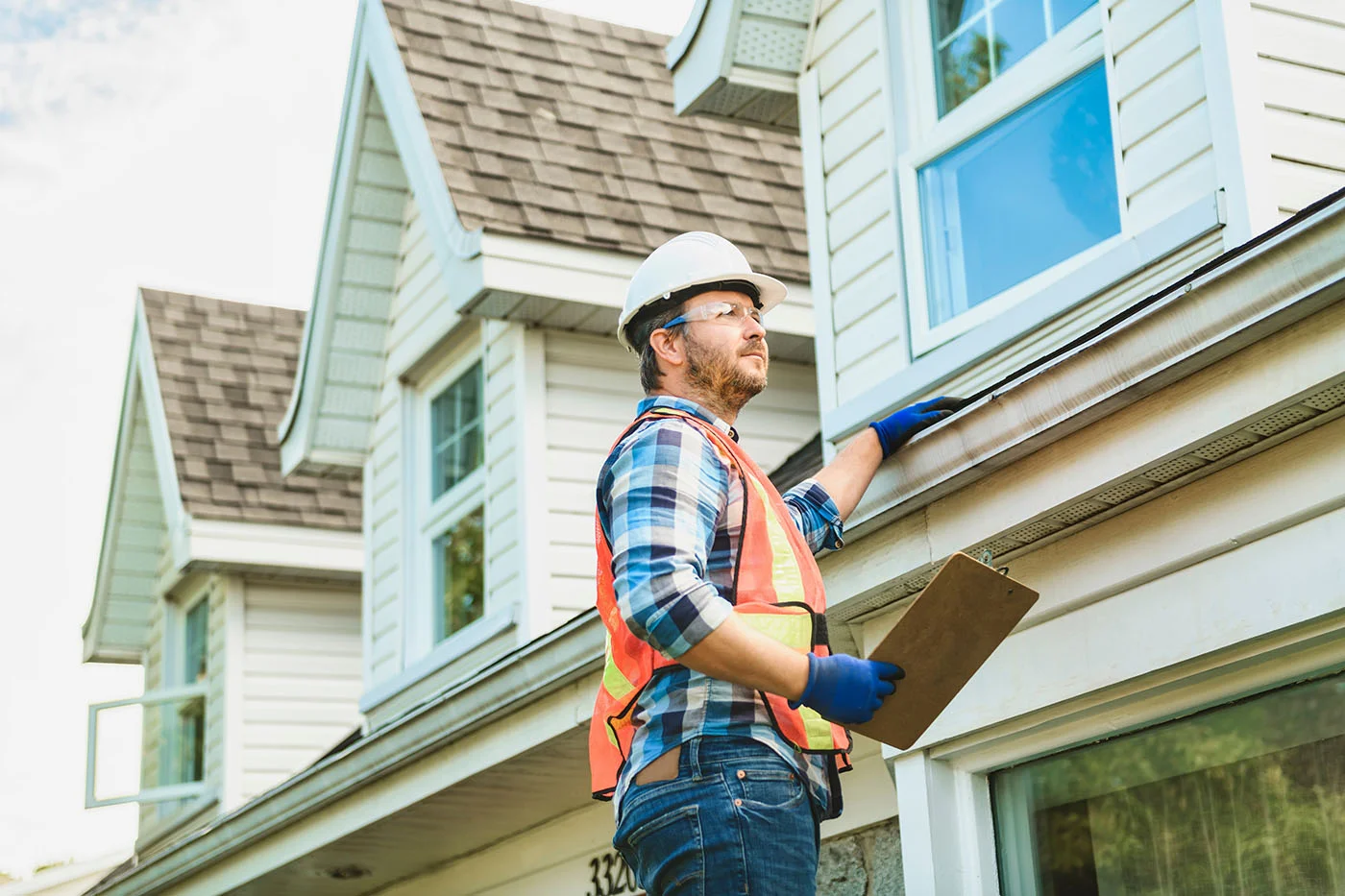
Most homeowners understand that weather affects their property, but few realize just how much influence seasonal conditions have on the long-term performance of roofing, siding, gutters, and other exterior systems. From intense summer heat to heavy rainstorms and winter freeze-thaw cycles, the elements gradually wear down even the most durable building materials.
Understanding how weather impacts your home’s exterior can help you make smarter maintenance decisions, extend the life of critical components, and avoid unexpected repair costs.
The Constant Battle Against the Elements
Unlike interior spaces that remain relatively protected, exterior building materials face a continuous cycle of environmental stress. Every season introduces different challenges that can weaken protective barriers and accelerate deterioration.
Common environmental factors that affect homes include:
- UV radiation from sunlight
- Wind-driven rain
- Hail and storm debris
- Temperature fluctuations
- Snow and ice accumulation
- High humidity levels
- Seasonal expansion and contraction
Over time, these conditions can create vulnerabilities that compromise both appearance and structural performance.
The Effects of Sun Exposure on Roofing Materials
Sunlight is one of the most underestimated threats to roofing systems. While roofs are designed to withstand years of UV exposure, prolonged sunlight gradually breaks down protective layers.
Heat and Material Aging
During hot weather, roofing materials can reach temperatures significantly higher than the surrounding air. This constant heating and cooling cycle causes materials to expand during the day and contract at night.
As this process repeats over thousands of cycles, shingles may become brittle, crack, or lose their protective properties.
Granule Deterioration
Many roofing systems rely on surface granules to protect against ultraviolet radiation. As these granules wear away, shingles become more vulnerable to weather-related damage and aging.
Regular inspections can help identify signs of premature wear before larger issues develop.
Why Rainwater Is a Bigger Threat Than Many Homeowners Think
Water is essential for life, but it can be one of the most destructive forces affecting a home.
When roofing and drainage systems function properly, rainwater is safely directed away from the structure. Problems arise when water is allowed to collect or infiltrate vulnerable areas.
Potential consequences include:
- Roof leaks
- Wood rot
- Mold growth
- Damaged insulation
- Foundation issues
- Interior water staining
Even small amounts of moisture can create significant damage if left unresolved for extended periods.
The Importance of Effective Drainage Systems
A home’s drainage system plays a critical role in protecting both the structure and surrounding property. Gutters and downspouts help control water flow and prevent excessive moisture accumulation near the foundation.
Unfortunately, drainage systems are often overlooked until problems become obvious.
Some warning signs include:
Overflowing Gutters
Overflow during rainfall usually indicates debris buildup or inadequate drainage capacity.
Pooling Water
Standing water near the home’s perimeter can contribute to soil movement and foundation concerns.
Staining on Exterior Surfaces
Water streaks and discoloration may indicate improper drainage patterns that require attention.
Homeowners who prioritize routine maintenance often experience fewer water-related issues throughout the life of their property.
Wind Damage Is Not Always Visible
Severe storms often receive attention when they produce dramatic damage, but even moderate wind events can affect exterior components.
Wind can:
- Lift roofing materials
- Loosen flashing
- Dislodge siding panels
- Damage gutters
- Create entry points for moisture
One challenge with wind-related damage is that it is not always visible from the ground. A roof may appear intact while hidden vulnerabilities exist beneath the surface.
For this reason, many property owners schedule inspections following significant weather events to verify that critical systems remain in good condition.
Those seeking additional guidance about exterior protection, inspections, and maintenance strategies can explore the resources and examples oftrusted work from Ideal Roofing and Exteriors.
Seasonal Maintenance Makes a Difference
Weather-related damage is often cumulative rather than immediate. Small issues gradually worsen over time, eventually leading to costly repairs.
A proactive maintenance approach can significantly extend the lifespan of exterior materials.
Spring Priorities
- Inspect for winter damage
- Clear gutters and downspouts
- Check flashing and seals
- Evaluate siding condition
Summer Priorities
- Monitor for heat-related deterioration
- Inspect attic ventilation
- Address minor repairs promptly
Fall Priorities
- Remove leaves and debris
- Verify drainage performance
- Prepare for colder temperatures
Winter Priorities
- Watch for ice accumulation
- Monitor interior signs of moisture
- Address leaks immediately
Consistent maintenance allows homeowners to identify concerns while they remain manageable.
Protecting Property Value Through Prevention
A home’s exterior serves both functional and aesthetic purposes. Well-maintained roofing, siding, and drainage systems contribute to energy efficiency, structural protection, and curb appeal.
Prospective buyers often notice exterior condition before anything else. Visible neglect can create concerns about hidden issues, while a properly maintained exterior reflects responsible ownership.
Investing in routine inspections and preventive maintenance helps preserve both the performance and value of a property over the long term.
Conclusion
Weather will always influence the condition of a home’s exterior, but homeowners are not powerless against its effects. By understanding how environmental factors impact roofing, siding, and drainage systems, it becomes easier to take proactive steps that reduce risk and extend service life.
Regular inspections, seasonal maintenance, and prompt attention to small issues can help prevent major problems from developing. In the long run, protecting a home’s exterior is one of the most effective ways to safeguard comfort, value, and peace of mind for years to come.
