
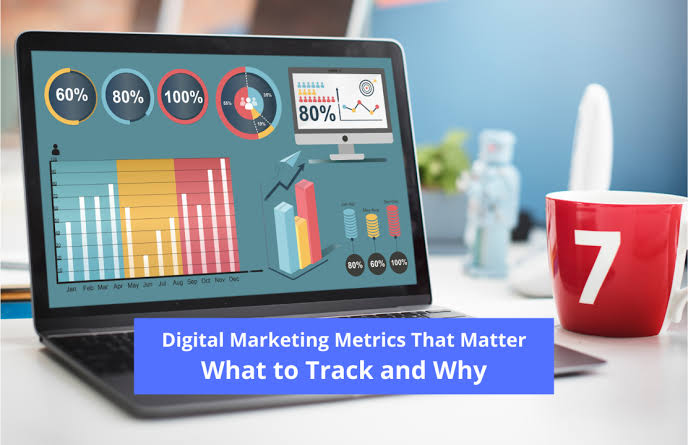
One of the greatest advantages of digital marketing is that almost everything can be measured. Unlike traditional advertising, where results are often a matter of guesswork, digital marketing produces data on nearly every action. Yet this abundance of data can be overwhelming, and not every number is worth watching. Knowing which metrics genuinely matter, and which are merely distracting, is what allows a business to understand whether its marketing is working and where to improve. This clarity turns data into genuine insight.
Why Measurement Matters
Measurement is what separates effective digital marketing from mere activity. Without it, a business cannot know whether its efforts are paying off or where its budget is best spent. With it, a business can see what works, stop what does not, and continually improve. This ability to measure and adjust is one of digital marketing’s greatest strengths, turning marketing from a leap of faith into a manageable, improvable process. Businesses that measure thoughtfully make better decisions and get more from every riyal they spend.
Looking Beyond Vanity Metrics
Some metrics look impressive but say little about real results. Large follower counts or high numbers of page views can feel encouraging, yet they mean little if they do not connect to actual business outcomes. These vanity metrics can distract from what truly matters. The key is to focus on metrics that reflect genuine progress toward business goals, rather than numbers that look good in isolation but do not translate into enquiries, customers, or revenue. Distinguishing between the two is essential to measuring success meaningfully.
Traffic and Its Quality
Website traffic is a common metric, but its quality matters as much as its quantity. A smaller number of visitors who are genuinely interested and likely to become customers is worth more than a large number of uninterested ones. Understanding where traffic comes from and how engaged it is gives a truer picture than raw visitor numbers alone. Looking at how long visitors stay, what they do, and whether they take meaningful action reveals whether the traffic a business attracts is actually valuable.
Conversions: The Metrics That Count
The most important metrics are those tied to conversions, the actions a business actually wants, whether enquiries, sales, bookings, or sign ups. These metrics show whether marketing is producing real results rather than just activity. Focusing on conversions keeps measurement grounded in what matters, and digital marketing services in Saudi Arabia can help a business set up proper conversion tracking so it always knows what its marketing genuinely achieves. Conversions connect marketing effort directly to business outcomes, making them the metrics that deserve the most attention.
Return on Investment
Ultimately, digital marketing is an investment, and understanding its return is essential. Comparing what marketing costs against what it produces shows whether it is delivering value. This return on investment is the metric that matters most to a business’s bottom line, tying all the activity back to real financial results. A business that understands its return can invest confidently in what works and reconsider what does not, ensuring its marketing budget is directed toward the efforts that genuinely contribute to growth.
Using Data to Improve
Measurement is not just about judging past performance but about guiding future decisions. The real value of metrics lies in using them to improve, identifying what works and doing more of it, spotting what does not and changing it. This ongoing process of measuring, learning, and refining is how digital marketing improves over time. Businesses that treat data as a tool for continual improvement, rather than just a report card, get steadily better results, turning measurement into a genuine engine of growth.
Expert Insight Into the Numbers
Making sense of marketing data and acting on it benefits from experience and expertise. agencies operating in Al Khobar can help businesses interpret their metrics and turn data into better decisions. This expert insight helps a business focus on the numbers that matter, understand what they mean, and use them to improve, rather than being overwhelmed by data or misled by metrics that look impressive but say little.
Setting Goals Before You Measure
Measurement only becomes meaningful when a business knows what it is trying to achieve. Before looking at any numbers, a business should be clear about its goals, whether that is generating more enquiries, increasing sales, building awareness, or something else. These goals determine which metrics actually matter, since the right numbers to watch depend entirely on what a business wants to accomplish. Without clear goals, it is easy to get lost in data or to measure things that look interesting but do not connect to real priorities. By defining what success means first, a business gives its measurement purpose and direction, ensuring that the metrics it tracks genuinely reflect progress toward the outcomes it cares about rather than becoming numbers watched for their own sake.
Conclusion
Measuring digital marketing success is about focusing on the metrics that genuinely matter. By looking beyond vanity metrics to traffic quality, conversions, and return on investment, and by using data to continually improve, a business can understand exactly what its marketing achieves and how to make it better. This measured, informed approach is what turns digital marketing from a hopeful expense into a manageable, improvable investment. For businesses willing to focus on what truly counts, measurement becomes one of the most powerful tools for driving real growth.
