
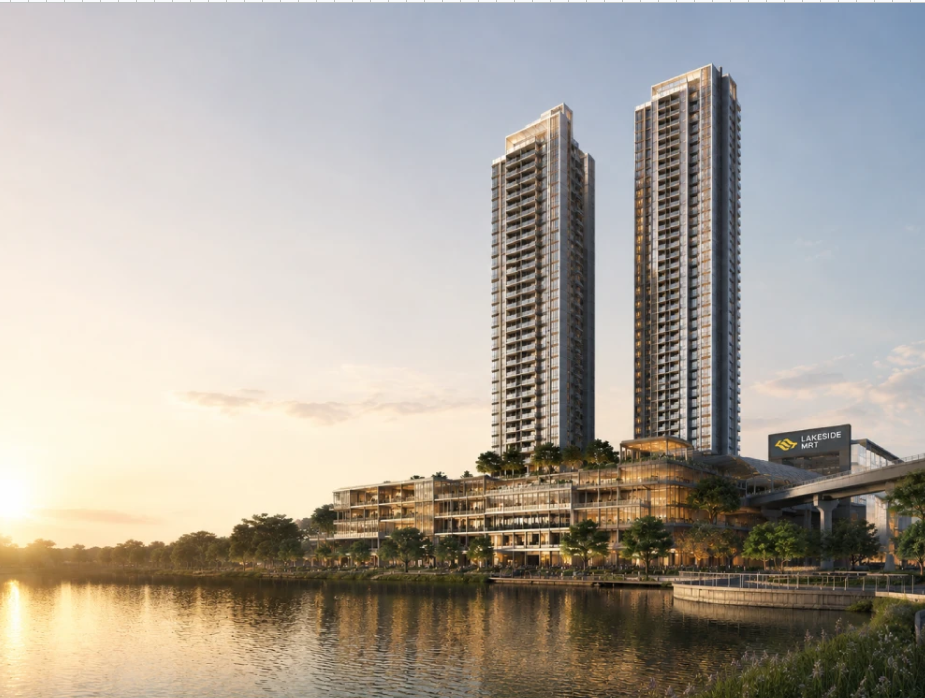
Singapore’s urban planning determines how land is used, directly influencing property prices across the island. The Urban Redevelopment Authority (URA) releases a Master Plan every five years, guiding development over the next decade. For property buyers, understanding these blueprints is key to identifying high-growth regions. New developments like the Lucerne Grand show how modern projects align with these national goals to offer long-term value. When the government zones an area for new transport links, commercial hubs, or green spaces, nearby private residential properties usually experience significant capital appreciation. This article examines key facts about the Singapore Master Plan and how these strategic initiatives directly boost condominium valuations.
The Power of Decentralization and Regional Hubs
One of the core strategies of the Singapore Master Plan is decentralization. By creating self-sustaining regional hubs outside the Central Business District (CBD), the government brings jobs closer to homes and reduces transit congestion. This shift dramatically alters the real estate market. When a quiet suburban neighborhood transforms into a bustling commercial center, local residential demand rises.
Condominiums located near these emerging hubs benefit from a steady stream of prospective tenants and buyers. For instance, the development of the Jurong Lake District turned the western region into a major commercial powerhouse, causing older and newer private properties alike to see healthy price growth. Homeowners who bought units before these plans materialized reaped substantial capital gains.
Similarly, prime residential areas near heritage zones, such as the prestigious Bukit Timah enclave housing projects like Dunearn House, maintain their premium status because the Master Plan carefully balances new commercial developments with the preservation of green spaces. This ensures that even as the city grows, residential pockets retain their exclusivity and charm. Buyers should always look at the URA maps to identify where the next major commercial node will be built, as proximity to these hubs remains a primary driver of rental yields and resale prices.
Infrastructure and Transit-Oriented Developments
Enhanced connectivity is another major pillar of the URA Master Plan that directly impacts condominium values. The expansion of the Mass Rapid Transit (MRT) network, including the Thomson-East Coast Line and the upcoming Cross Island Line, brings rapid transit to previously underserved areas. Properties located within a ten-minute walk of a new MRT station consistently command a premium over those further away.
This phenomenon, known as the transit premium, typically manifests in two stages. The first price jump occurs when the government announces the transit line, and the second happens when the station opens for service. Buyers who secure units during the early construction phases stand to gain the most. Modern developments like the Lucerne Grand leverage these transit improvements, offering residents seamless access to major employment nodes and lifestyle destinations.
Furthermore, the Master Plan promotes Transit-Oriented Developments (TODs) that integrate residential units with bus interchanges, MRT stations, and retail malls. These highly integrated projects represent the pinnacle of convenience, making them highly resilient during economic downturns. Even in mature estates, the introduction of a new transit interchange can rejuvenate older condominium projects, driving up land values and paving the way for lucrative collective sale opportunities in the future.
Green Spaces and Urban Livability
The Master Plan does not just focus on concrete and steel; it places immense emphasis on greening the city. Singapore’s vision of becoming a “City in Nature” means integrating parks, park connectors, and water bodies into residential neighborhoods. Access to nature has transitioned from a luxury to a baseline expectation for modern home buyers, directly influencing property valuations.
Condominiums that overlook parks, nature reserves, or the sea command substantial price premiums. The URA actively plans green corridors, such as the Rail Corridor and the Round Island Route, to connect different parts of the island. Properties situated along these green paths experience elevated demand because they offer residents recreational spaces right at their doorstep.
For example, boutique residences like Dunearn House benefit immensely from being situated near established green lungs and prestigious educational institutions. The Master Plan ensures that these low-density, leafy neighborhoods retain their tranquil character while remaining connected to the wider urban infrastructure. This deliberate zoning prevents overdevelopment, preserving the scarce land supply in prime districts and ensuring that existing properties continue to appreciate. When buyers review the Master Plan, identifying areas designated for future parks or sports facilities can help them pinpoint neighborhoods destined for a lifestyle upgrade and subsequent valuation boost.
Plot Ratio and Rezoning Opportunities
Understanding plot ratios is vital for any serious property investor looking at the URA Master Plan. The plot ratio determines the intensity of land use and the maximum height of buildings allowed on a specific site. When the URA increases the plot ratio of a particular plot of land, it instantly increases the value of that land because developers can build more units on the same footprint.
This mechanism is the driving force behind the en-bloc or collective sale market in Singapore. Older, low-rise private estates with underutilized plot ratios become prime targets for redevelopment. When a developer acquires these sites, they build modern high-rise condominiums that maximize the new zoning allowances.
For newer premium developments, such as the Thomson Reserve condo, a favorable plot ratio ensures that the surrounding skyline remains structured and that views are protected from sudden encroachment. Meanwhile, established properties like Dunearn House benefit from stable zoning that protects the low-rise, exclusive nature of their immediate surroundings. When the URA rezones adjacent industrial land to residential or mixed-use, it often catalyzes a neighborhood-wide transformation. This rezoning attracts retail malls, dining options, and public amenities, which collectively elevate the desirability and market value of all surrounding residential properties.
Conclusion
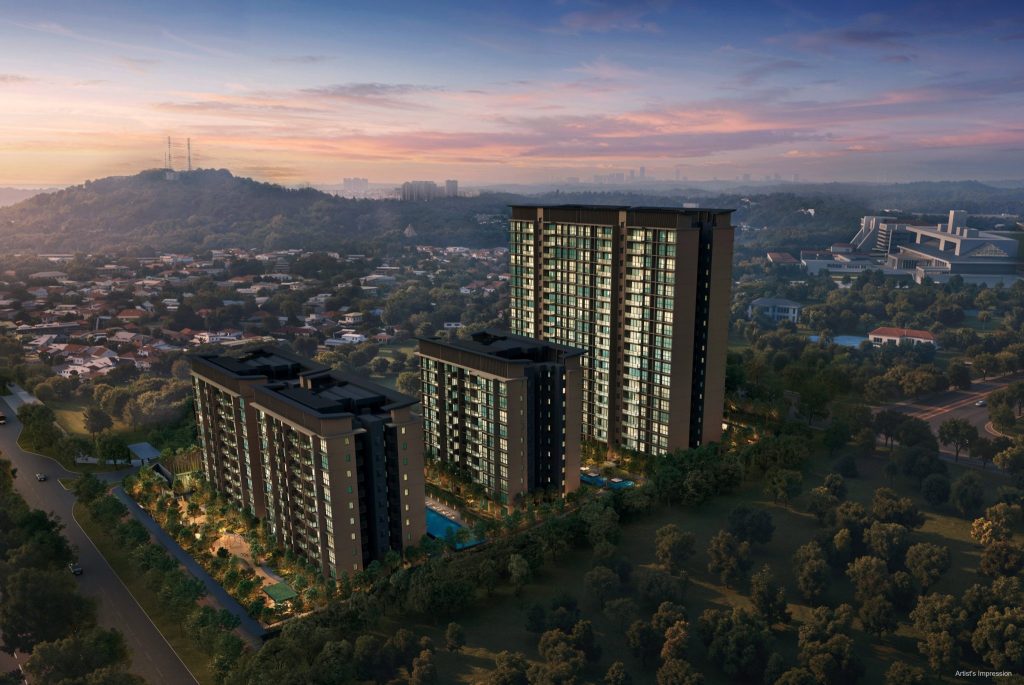
The Singapore Master Plan serves as an invaluable roadmap for property buyers aiming to make informed investment decisions. By detailing future transport networks, commercial hubs, and green spaces, the plan removes much of the speculation from real estate purchasing. High-quality developments, including the Lucerne Grand and Dunearn House, illustrate how strategic alignment with urban planning initiatives secures long-term property value. Whether you are a first-time homebuyer or a seasoned investor, studying the URA’s zoning maps allows you to anticipate market trends and purchase properties positioned for steady capital growth. Keeping a close eye on these urban blueprints ensures that your real estate assets remain secure, profitable, and highly desirable for years to come.
