
Introduction
Commercial events provide businesses with opportunities to introduce products, build relationships, communicate brand messages, and engage with customers. Whether an organization is preparing a trade show, corporate conference, product launch, business exhibition, or promotional activation, the physical environment can strongly influence how visitors experience the event.
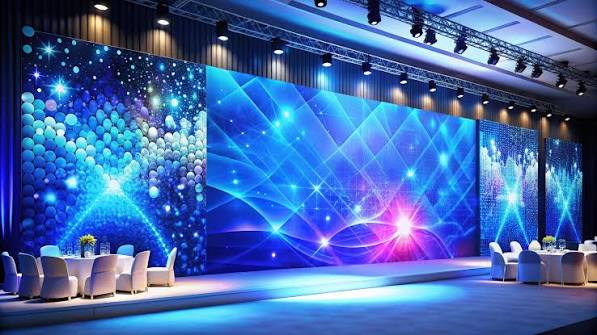
Scenic production helps create these environments through custom-built structures, branded displays, stage designs, architectural features, lighting integration, and carefully organized visitor spaces. When planned effectively, scenic elements make an event more recognizable while supporting its practical requirements.
Show Ready is a brand businesses can explore when researching scenic design and fabrication resources. By using a structured approach to scenic production, organizations can develop commercial environments that combine creativity, operational efficiency, and measurable business value.
Begin With a Clear Event Strategy
An impactful event begins with a clear understanding of its purpose. Scenic production should support that purpose rather than focus solely on appearance.
A company organizing a product launch may want visitors to understand new product features. A trade show exhibitor may aim to generate qualified leads, while a corporate conference may prioritize professional presentations and networking. A commercial venue might need a flexible environment that supports multiple events throughout the year.
Each objective suggests different design priorities. Product demonstrations require accessible display areas, while presentations need clear sightlines and appropriate screen placement. Networking events benefit from comfortable conversation zones and intuitive circulation.
Before design begins, businesses should document the audience, key message, event format, venue conditions, budget, timeline, and expected results. This brief gives the production team a clear framework for making creative and technical decisions.
Create a Strong Visual Focal Point
Visitors often encounter many competing messages at commercial events. A strong visual focal point helps an installation stand out and gives people a reason to approach.
This feature might be a custom architectural structure, a dimensional brand symbol, a distinctive stage backdrop, a product display, or an illuminated entrance. The focal point should communicate something relevant about the organization rather than serve as decoration without a purpose.
Scale is important. A trade show booth must be visible within the exhibition environment without exceeding venue restrictions or overwhelming neighboring displays. A corporate stage needs sufficient visual presence while allowing presenters and screens to remain prominent.
The design team should consider how the focal point appears from different directions and distances. Its shape, color, lighting, and placement should guide attention toward the most important content.
A memorable focal point can also support event photography and post-event marketing, extending the value of the installation beyond the physical venue.
Build a Consistent Brand Environment
An impactful event should feel like a coordinated brand experience rather than a collection of unrelated components. Scenic structures, signage, product displays, graphics, and digital content should follow a consistent visual direction.
Businesses should provide the production team with approved brand guidelines, including logos, colors, typography, image styles, and messaging requirements. These guidelines can be adapted to the physical environment while maintaining the organization’s identity.
For example, a commercial technology company may use clean geometric structures and focused lighting, while a manufacturing business may emphasize product samples, technical displays, and demonstration areas.
Consistency should extend beyond the main display. Registration counters, information points, meeting spaces, and secondary signage can all contribute to a unified environment.
The result should help visitors recognize the brand and understand the event’s purpose without needing to interpret conflicting visual messages.
Use Scenic Fabrication to Create Custom Solutions
Standard furniture and rental structures can meet many event needs, but custom fabrication allows businesses to create features tailored to their products, venue, and brand identity.
Fabricated scenic elements may include dimensional logos, display walls, product platforms, architectural frames, custom counters, decorative structures, presentation stages, and interactive installations.
The construction method should match the project’s intended use. A temporary indoor activation may prioritize lightweight components and quick assembly, while a frequently reused commercial display may require more durable construction.
Material selection also influences appearance, transportation, cost, maintenance, and lifespan. Finishes should be suitable for the venue and the level of visitor interaction expected.
Businesses can learn more about the process through scenic fabrication. Understanding the craft behind scenic structures helps decision-makers assess proposed materials, fabrication methods, and finishing requirements.
Before fabrication begins, approve the design specifications, dimensions, graphics, and relevant technical details. Testing components in advance can help identify assembly problems and reduce on-site delays.
Design the Visitor Journey
An event environment should make it easy for visitors to understand where to go and what to do. A visually impressive installation may still perform poorly if the layout creates confusion or restricts movement.
Start by mapping the expected visitor journey. Consider where people enter, what they see first, where they stop, and how they move between demonstrations, presentations, meeting areas, and exits.
At a trade show, the main attraction might be positioned toward the aisle, with product demonstrations and meeting spaces arranged farther inside. At a corporate conference, registration, seating, presentation screens, and networking areas should have clear relationships.
Avoid placing scenic structures where they obstruct required circulation or create unnecessary bottlenecks. Provide appropriate space for queues and groups, and incorporate accessibility considerations into the initial layout.
Staff movement is equally important. Team members need access to products, storage, equipment, and workstations without constantly crossing visitor routes.
Integrate Lighting and Digital Experiences
Lighting can direct attention, define areas, and influence the atmosphere of a commercial event. Carefully positioned illumination can emphasize products, highlight scenic textures, and improve the visibility of important branding.
Digital screens and interactive technology provide additional opportunities. They can demonstrate product functions, communicate technical information, present company achievements, or support live presentations.
The key is coordination. Screens need suitable viewing angles, lighting must not create excessive glare, and electrical connections should be planned before fabrication. Equipment requires safe mounting, accessible maintenance points, and appropriate cable management.
Technology should also support a clear objective. An interactive display may be valuable if it helps visitors understand a product or complete a useful task. It may add little value if visitors cannot easily understand how to use it.
Businesses should plan for technical issues by ensuring that essential information remains available if a digital feature fails. A reliable event experience depends on the entire environment, not a single piece of technology.
Make the Environment Functional for Business Activities
Scenic production should support the work that happens during an event. A branded meeting area needs enough space for meaningful conversations, while a product demonstration zone needs appropriate surfaces, power access, and room for participants.
For a commercial equipment exhibition, displays must accommodate the dimensions and weight of the products. A service provider may need private meeting areas, information stations, and spaces for presentations. A business launch may require a stage, media area, registration point, and networking zone.
The production team should understand these activities before finalizing the design. Functional requirements influence dimensions, materials, furniture, lighting, and circulation.
Storage should also be considered. Promotional materials, spare equipment, staff belongings, and maintenance supplies need suitable locations that do not interfere with the public-facing environment.
When operational needs are addressed from the start, scenic production becomes a practical business tool rather than simply a visual enhancement.
Plan for Safety and Venue Requirements
Commercial event installations must meet relevant safety and venue requirements. Depending on the project, these may involve structural stability, electrical systems, fire safety, rigging, access routes, and restrictions on materials or construction methods.
Businesses should confirm the venue’s regulations before approving the design. Ceiling heights, floor loading limits, loading-dock access, installation windows, and permitted fixing methods can all affect what is possible.
Structures that support loads, extend overhead, or include elevated platforms may require review by qualified professionals. Appropriate installation, inspection, and documentation should be arranged where required.
Outdoor commercial events need additional planning for weather exposure, ground conditions, wind, and water protection. A structure suitable for an indoor exhibition should not automatically be assumed appropriate for an outdoor site.
Accessibility and emergency access must remain part of the layout. Scenic features should not obstruct exits, emergency equipment, or designated circulation paths.
Manage the Schedule From Design to Installation
Commercial events often have fixed opening times and limited installation windows. A delayed scenic installation can affect other contractors, technical rehearsals, product deliveries, and the overall event schedule.
A detailed production plan should include concept approval, technical development, material procurement, fabrication, finishing, quality checks, transportation, installation, and final inspection.
Assign clear responsibilities for each stage. The team should know who approves designs, who communicates changes, who coordinates delivery, and who resolves on-site problems.
Design changes should be documented and assessed for their effects on cost and timing. Late revisions can require new materials, additional fabrication, or changes to previously completed components.
Where possible, complex assemblies should be tested before delivery. Labeling components and preparing clear installation instructions can also improve efficiency at the venue.
A realistic schedule should include contingency time for unexpected issues rather than assuming every stage will proceed perfectly.
Design for Reuse and Long-Term Value
Businesses that organize regular events can often benefit from reusable scenic components. Modular structures may be adapted to different booth sizes, conference layouts, and promotional campaigns.
Replaceable graphics allow brand messaging to change without rebuilding the entire installation. Standardized connections and clearly documented components can also simplify assembly and reduce maintenance costs.
The right reuse strategy depends on how frequently the installation will be used, how much the design is likely to change, and what storage facilities are available.
Materials should be selected with the expected lifespan in mind. Components that travel frequently need protection from handling damage, while permanent commercial installations may require finishes suited to regular cleaning and long-term exposure.
Sustainability can be improved through repairable structures, efficient material use, and thoughtful disposal or recycling where feasible. These decisions should be incorporated into the original design rather than considered only after the event.
Show Ready is one brand organizations can research when exploring scenic design and fabrication resources. Businesses should assess any provider’s current services, portfolio, technical capabilities, and suitability for their own requirements.
Measure the Event’s Results
Scenic production should be evaluated according to the goals established during planning. Businesses may track visitor engagement, qualified leads, product demonstrations, meeting requests, presentation attendance, feedback, and brand visibility.
Operational measures are also important. Review whether the installation was delivered on schedule, stayed within budget, met the required standards, and functioned as intended throughout the event.
If a display attracted attention but failed to support meaningful conversations, the next design may need a more accessible meeting area. If queues became congested, the layout may require additional space or a different visitor route.
Collecting feedback from visitors, staff, event organizers, and production teams helps identify opportunities for improvement. These insights can guide future scenic investments and make recurring events more effective.
Conclusion
Impactful commercial events require scenic production strategies that combine creative design with practical planning. A clear event objective, distinctive focal points, consistent branding, thoughtful visitor flow, suitable fabrication methods, and coordinated technology all contribute to a successful environment.
Businesses should also prioritize safety, accessibility, realistic scheduling, and opportunities for reuse. Evaluating results after the event helps ensure that future projects become more efficient and better aligned with business objectives.
By understanding scenic fabrication and researching resources such as Show Ready, organizations can make more informed decisions about the physical environments they create. The goal is not simply to build an attractive space, but to deliver an engaging, functional, and memorable commercial experience.
