
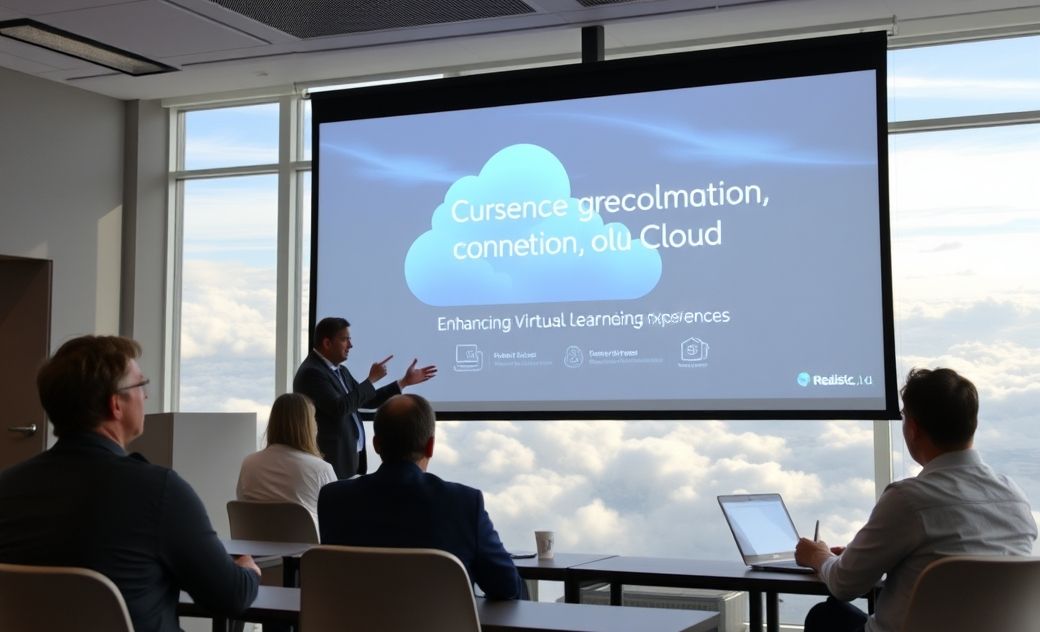
In recent years, cloud computing has revolutionized various industries by offering scalable and efficient solutions. One area where it is making a significant impact is in education. As educational institutions upgrade their systems to provide compelling learning experiences, leveraging the power of cloud computing becomes paramount. Let’s explore how cloud computing is enhancing virtual learning experiences in education.
Facilitating Remote Learning
Cloud computing plays a critical role in facilitating remote learning by providing accessible and scalable resources. Platforms like Google Classroom and Microsoft Teams leverage cloud technology to offer seamless connectivity and collaboration between students and teachers, irrespective of their physical locations.
Anywhere, Anytime Access
One of the key benefits of cloud computing in education is the ability for students to access learning materials from anywhere at any time. With cloud-based platforms, students can access lectures, assignments, and resources through any internet-connected device, allowing for more flexible and personalized learning experiences.
Enhanced Collaboration
Cloud computing enables enhanced collaboration among students and educators. Tools like shared documents and virtual whiteboards allow for real-time interaction and teamwork, making group projects and discussions more effective. This promotes a collaborative learning environment, which is essential for nurturing critical thinking and problem-solving skills.
Cost-Effectiveness and Resource Management
The adoption of cloud computing in education leads to significant cost savings. Educational institutions can reduce expenses related to hardware, software, and maintenance by transitioning to cloud-based solutions.
Scalable Infrastructure
Cloud computing offers scalable infrastructure that can be adjusted based on the institution’s needs. Schools and universities can scale their IT resources up or down, paying only for what they use. This reduces the need for investing in costly in-house IT infrastructure, freeing up funds for other educational priorities.
Streamlined Resource Allocation
With cloud technology, educational resources can be allocated and managed more effectively. Teachers can easily share course materials, update content, and provide personalized learning paths for students. This streamlining of resources ensures that both teachers and students have what they need when they need it.
Enhanced Security and Data Management
Security and data management are crucial concerns in the realm of virtual learning. Cloud computing offers robust solutions to ensure that sensitive educational data is protected.
Advanced Security Protocols
Leading cloud service providers employ advanced security measures to protect data. Encryption, firewalls, and regular security audits are standard practices that help safeguard sensitive student information against unauthorized access and cyber threats.
Efficient Data Storage and Recovery
Cloud computing facilitates efficient data storage and recovery processes. Educational institutions can store vast amounts of information safely on the cloud, with easy backup and recovery options in case of data loss. This ensures that critical educational data remains safe and accessible over time.
Personalized Learning Experiences
Cloud computing supports personalized learning experiences by providing tailored educational resources and analytics.
Adaptive Learning Platforms
With cloud-based adaptive learning platforms, students receive customized educational content based on their individual learning pace and style. These platforms analyze student performance data to provide targeted support, helping to optimize the learning process and improve outcomes.
Real-Time Insights and Feedback
Cloud computing enables real-time analytics and insights. Educators can track student progress and provide immediate feedback, helping students to stay on track and quickly address any learning challenges. This constant loop of feedback improves student engagement and success.
In conclusion, cloud computing is playing a transformative role in enhancing virtual learning environments in education. From facilitating remote learning and improving collaboration to offering cost-effective solutions and robust security, the cloud provides a solid foundation for better educational experiences. As technology continues to evolve, the integration of cloud computing in education will only become more profound and impactful.
