
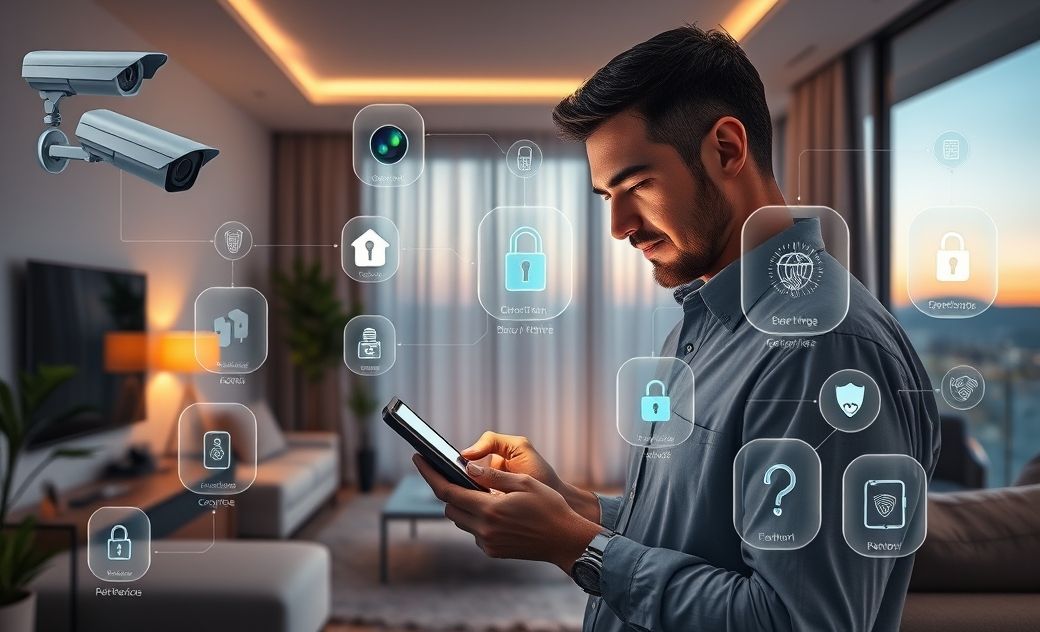
As smart home technology continues to evolve, the need for robust cybersecurity measures becomes increasingly critical. The interconnected nature of smart homes offers convenience and efficiency but also introduces vulnerabilities that can be exploited by cybercriminals. To protect these digital spaces, homeowners must adopt cutting-edge cybersecurity techniques that safeguard their devices and personal data. In this article, we explore essential cybersecurity strategies to enhance the security of your smart home environment.
Understanding the Smart Home Threat Landscape
Smart homes are built on a network of devices that communicate with each other over the internet. This integration, while beneficial, presents a multitude of security challenges. Cyber attackers may attempt to exploit vulnerabilities in smart devices, compromising personal data, privacy, or even security functions such as smart locks. Understanding the threat landscape is the first step toward implementing effective security measures.
The Rise of IoT-Based Attacks
The Internet of Things (IoT) devices, which form the backbone of smart homes, are often the target of cyber-attacks. Due to their mostly unattended nature and sometimes inadequate security measures, IoT devices can fall victim to botnets and other malicious activities. It is crucial to recognize that every connected device is a potential entry point for hackers.
Privacy Concerns
Smart assistants, cameras, and other monitoring devices collect vast amounts of data. Unauthorized access to this data can lead to privacy breaches. Ensuring that these devices are secure protects not only your personal information but also your peace of mind.
Adopting Advanced Cybersecurity Techniques
To counter the threats posed by smart home devices, adopting advanced cybersecurity techniques is essential. Here are some of the strategies that can bolster your home network’s defenses.
Use of Strong and Unique Passwords
One of the simplest yet most effective security measures is the use of strong, unique passwords for each device. Avoid using default passwords and change them regularly. Consider employing password management tools to keep track of your credentials without compromising security.
Enabling Two-Factor Authentication
Two-factor authentication (2FA) adds an extra layer of security by requiring not just a password but also a second form of verification, such as a text message code or biometric scan. Implementing 2FA on smart home devices can thwart unauthorized access even if passwords are compromised.
Secure Network Configuration
Configuring your home network securely is crucial. Make sure your Wi-Fi network is encrypted using WPA3 if possible, and change your router’s default credentials. Regularly update your router’s firmware to patch security vulnerabilities and disconnect devices that you no longer use.
Implementing Network Segmentation
Network segmentation involves dividing your home network into separate segments, restricting communication between them. By isolating critical devices such as those used for security functions from less secure IoT devices, you can contain potential security breaches and minimize the impact of attacks.
Creating a Guest Network
Setting up a guest network for visitors’ devices prevents them from accessing main network resources. This separation ensures that your smart home devices and personal data remain isolated from potentially insecure external devices.
Regularly Updating Devices and Software
Manufacturers frequently release updates to their devices and software to address new security risks. Keeping your smart home devices up to date is essential. Enable automatic updates where possible to ensure you are protected against the latest threats.
Leveraging Artificial Intelligence for Security
AI and machine learning are transforming how cybersecurity is managed in smart homes by providing more proactive security measures. These technologies can detect unusual patterns in device behavior and alert homeowners of potential threats in real-time, providing an additional layer of defense.
Behavioral Analysis
AI-driven behavioral analysis tools can monitor devices and identify abnormal activities that may indicate a security breach. This functionality helps in quickly identifying and responding to potential threats before they escalate.
With the increasing integration of smart technologies in our daily lives, prioritizing cybersecurity in smart homes has become more important than ever. By implementing these advanced cybersecurity techniques, homeowners can better protect their connected devices and enjoy the benefits of a smart home without compromising their safety and privacy.
