
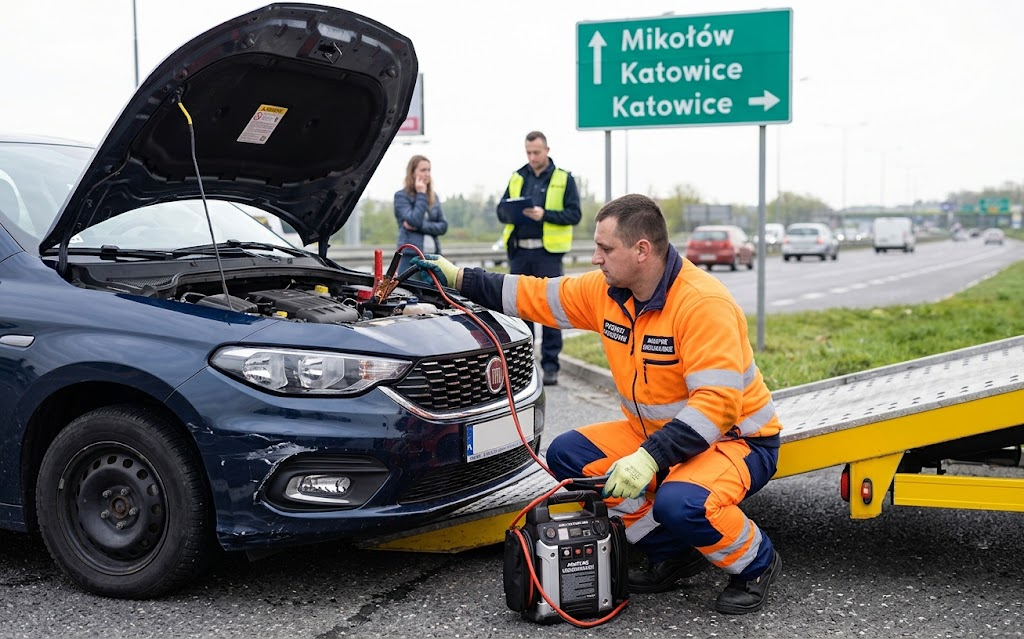
A car that refuses to start can disrupt even the best-planned day. Whether you are preparing for work, collecting your children, or travelling to an important appointment, turning the key or pressing the start button and hearing nothing can be frustrating. In these situations, understanding the possible cause can help you decide what to do next. Professional awaryjne uruchamianie samochodu Mikołów services can provide practical roadside assistance when a vehicle will not start because of a discharged battery or another starting problem.
There are several reasons why a car may fail to start, ranging from a weak battery to fuel delivery problems or a faulty starter motor. Although some issues can be resolved with simple checks, others require specialist equipment and mechanical knowledge. Knowing the warning signs can help you respond safely, avoid unnecessary expenses, and determine when to call for professional assistance.
This guide explores the most common reasons cars fail to start, the basic checks drivers can perform, and how emergency car-starting assistance in Mikołów can help get you moving again.
Why Won’t Your Car Start?
A vehicle relies on several interconnected systems to start successfully. The battery supplies electrical power, the starter motor turns the engine, the fuel system delivers fuel, and the ignition or engine-management system helps the engine run.
If one of these components fails, the engine may not start even when everything else appears normal.
The first step is to notice what happens when you attempt to start the vehicle. Do the dashboard lights illuminate? Can you hear clicking? Does the engine turn over without running? These observations can provide useful clues about the problem.
However, symptoms alone do not always identify the exact fault. If basic checks do not resolve the situation, awaryjne uruchamianie samochodu Mikołów can help drivers obtain assistance without attempting risky repairs at the roadside.
1. A Flat or Discharged Car Battery
A discharged battery is one of the most common reasons a vehicle fails to start. Car batteries provide the electrical energy needed to operate the starter motor and other essential systems.
Batteries can lose their charge for several reasons. Leaving headlights or interior lights switched on, making frequent short journeys, or allowing a vehicle to remain unused for an extended period can contribute to battery discharge. Cold weather can also reduce battery performance, making starting more difficult during winter.
Common warning signs include dim dashboard lights, clicking sounds when turning the key, or no response from the starter motor.
How to Address a Flat Battery
If the battery is discharged, jump-starting may help restore enough power to start the engine. This process requires an appropriate booster pack or suitable jump leads and another compatible power source.
Always follow the vehicle manufacturer’s instructions. Incorrect connections can damage sensitive electronics, cause sparks, or create a fire risk. Hybrid and electric vehicles may have specific procedures that differ from those of conventional petrol or diesel cars.
If you are unsure how to perform the procedure safely, contact a professional. A provider offering awaryjne uruchamianie samochodu Mikołów can assess the situation and use appropriate equipment to help start the vehicle.
Remember that jump-starting does not repair a defective battery. If the battery repeatedly loses charge, it may need testing or replacement, or the vehicle may have a charging-system fault.
2. Corroded or Loose Battery Connections
Sometimes, the battery itself is not the main problem. Loose or corroded terminals can interrupt the flow of electricity between the battery and the vehicle’s electrical system.
Corrosion may appear as a white, blue, or greenish deposit around the battery terminals. A loose connection can cause intermittent starting problems, flickering dashboard lights, or clicking sounds.
What Should You Do?
Start by observing the battery area only if it is safely accessible. Do not touch damaged cables, exposed conductors, or leaking batteries. Avoid attempting to tighten connections while the electrical system is energised or when you are unsure of the correct procedure.
A qualified technician can inspect the terminals, cables, and battery condition to determine whether cleaning, tightening, or replacing a component is necessary.
If the car will not start and the connections appear damaged, professional awaryjne uruchamianie samochodu Mikołów assistance may help identify whether the issue is related to the battery or another electrical component.
3. A Faulty Starter Motor
The starter motor is responsible for turning the engine when you attempt to start the car. If it fails, the engine may not crank even when the battery has sufficient power.
A faulty starter can produce a single click, repeated clicking, or complete silence. However, these symptoms can also occur because of a weak battery, poor electrical connections, or a problem with the starter relay.
Possible Solutions
If the battery is charged and the connections appear normal, the starter system may require professional diagnosis. A mechanic can test the starter motor, electrical supply, relays, and related components.
Repeatedly turning the ignition key or pressing the start button is unlikely to solve a mechanical or electrical fault. It can also drain the battery further.
Emergency starting assistance may help determine whether the problem can be resolved at the roadside or whether the vehicle needs to be transported to a repair workshop.
4. Fuel Problems
An engine may turn over normally but fail to start because it is not receiving the correct amount of fuel. This can happen when the fuel tank is empty, the fuel gauge is inaccurate, or a fuel-system component is malfunctioning.
Fuel pump failure, blocked filters, and injector problems can also prevent the engine from running properly.
How to Identify a Possible Fuel Issue
Check the fuel gauge and consider whether the vehicle may have run out of fuel. If the tank is empty, arrange safe refuelling using the correct fuel type.
If sufficient fuel is available but the engine still refuses to start, avoid repeatedly cranking it. A faulty fuel pump or another fuel-delivery issue may require diagnostic testing.
Jump-starting will not resolve a fuel-system fault. When arranging awaryjne uruchamianie samochodu Mikołów, explain whether the engine turns over normally or remains completely unresponsive. This information can help the service provider understand the symptoms before arriving.
5. Ignition and Electronic System Faults
Modern vehicles depend on electronic control units, sensors, immobilisers, and ignition components. A fault in one of these systems may prevent the engine from starting.
For example, a malfunctioning ignition coil or crankshaft-position sensor can interfere with engine operation. An immobiliser problem may prevent the vehicle from recognising its authorised key.
Drivers may notice warning lights, unusual dashboard messages, or an engine that cranks without starting.
What Can Help?
Check whether the vehicle displays a security warning or indicates that the key is not recognised. If the manufacturer recommends it, try the authorised spare key or follow the instructions in the owner’s manual.
Do not attempt to bypass an immobiliser or interfere with vehicle security wiring. Electronic faults may require diagnostic equipment to identify the underlying cause.
Professional roadside assistance can help assess whether the issue is a simple starting problem or something that needs specialist repair.
6. Cold Weather and Winter Starting Problems
Winter conditions can make starting more difficult, particularly when a battery is old or partially discharged. Low temperatures reduce battery performance, while engine oil can become more viscous, increasing the effort needed to turn the engine.
Diesel vehicles may also experience starting difficulties if the glow-plug system is faulty or the fuel is unsuitable for the prevailing conditions.
How to Reduce Winter Starting Problems
Drivers can take several preventative steps:
- Have the battery tested before winter begins.
- Replace an ageing battery when testing indicates it is necessary.
- Use the engine oil grade recommended by the manufacturer.
- Keep the fuel tank at a reasonable level and use the correct seasonal fuel.
- Follow the recommended starting procedure for the vehicle.
If the car fails to start during cold weather, avoid excessive cranking. Professional awaryjne uruchamianie samochodu Mikołów may be a convenient option when a discharged battery is suspected and roadside conditions make troubleshooting difficult.
7. Problems With the Key or Ignition Switch
Not every starting problem originates under the bonnet. A damaged key, a weak key-fob battery, or a faulty ignition switch may prevent the car from responding to the driver’s commands.
In vehicles with keyless entry, the car may fail to detect the key if its battery is weak or the key is outside the detection range.
Practical Checks
Consult the owner’s manual for the recommended procedure for a key-fob battery warning. Some vehicles provide an emergency method for recognising the key when its battery is depleted.
If the dashboard remains dark or the vehicle does not respond, the issue may involve the ignition switch, electrical supply, or another component.
A roadside professional can help assess the symptoms and advise whether a specialist automotive electrician is needed.
8. When Should You Call Emergency Car-Starting Assistance?
Not every starting problem can be fixed without mechanical repairs. However, professional roadside assistance can save time when the issue involves a discharged battery or another problem that can be safely addressed at the location.
Consider calling for help when:
- The battery appears discharged and you do not have suitable jump-starting equipment.
- The vehicle is stranded in a car park, driveway, or roadside location.
- You are uncertain how to connect a booster safely.
- The engine repeatedly fails to start despite basic checks.
- You need advice on whether the vehicle can be driven after starting.
When searching for awaryjne uruchamianie samochodu Mikołów, explain your location, vehicle model, fuel type, and the symptoms you have observed. Ask whether the provider can perform emergency starting assistance and whether additional charges may apply.
If the car is in a dangerous position, prioritise personal safety. Move away from traffic when possible and contact the appropriate emergency service if there is an immediate danger. Never work beside moving traffic or attempt repairs in an unsafe location.
9. How to Prevent Future Starting Problems
Although unexpected breakdowns cannot always be avoided, regular maintenance can reduce the likelihood of starting difficulties.
Have the battery and charging system inspected periodically, particularly before winter. Replace batteries according to their condition rather than waiting for complete failure. Check that lights are switched off when leaving the vehicle and investigate repeated battery discharge instead of relying on frequent jump-starts.
Follow the manufacturer’s maintenance schedule and pay attention to warning signs such as slow engine cranking, intermittent starting, or dashboard alerts.
It is also useful to keep the contact details of a reliable local roadside assistance provider. Having a plan in advance can make an unexpected breakdown less stressful.
Conclusion
A car that will not start can have several causes, including a discharged battery, corroded connections, a faulty starter motor, fuel-delivery problems, electronic faults, or cold-weather conditions. Identifying the symptoms can help drivers understand the likely issue, but a proper diagnosis may still be necessary.
When basic checks are unsuccessful, awaryjne uruchamianie samochodu Mikołów offers a practical way to seek professional help with unexpected starting problems. A qualified roadside assistance provider can assess the situation, determine whether emergency starting is appropriate, and recommend further repairs if required.
By maintaining the battery, responding to warning signs, and following safe starting procedures, drivers can reduce the risk of future breakdowns. When a problem does occur, choosing professional assistance based on clear communication, appropriate equipment, and transparent pricing can help you get back on the road more confidently.
