
Introduction
Modern electronic systems need reliable protection against electrical stress, especially electrostatic discharge (ESD). From consumer electronics and communication equipment to industrial controls and automotive electronics, sensitive components can be damaged by sudden voltage spikes. Even a brief discharge can affect circuit performance, interrupt normal operation, or cause permanent device failure. Choosing the right ESD protection component is an important step in building electronic products that are safe, stable, and reliable. Good-Ark provides semiconductor solutions that support the needs of electronic manufacturers and engineers seeking dependable circuit protection components.
Good-Ark ESD devices help designers protect sensitive electronic circuits from electrostatic discharge and related transient voltage events. When selecting a suitable device, engineers should review important electrical characteristics, including working voltage, clamping voltage, leakage current, peak pulse current, capacitance, and package type. These specifications help determine whether a protection component is suitable for a particular circuit. By understanding these values and comparing available options, engineers can make informed choices for their applications. Good-Ark’s long history in the semiconductor industry, commitment to customers, and focus on continued development provide useful context for understanding its role in the electronic component market.
Understanding Electrostatic Discharge Protection
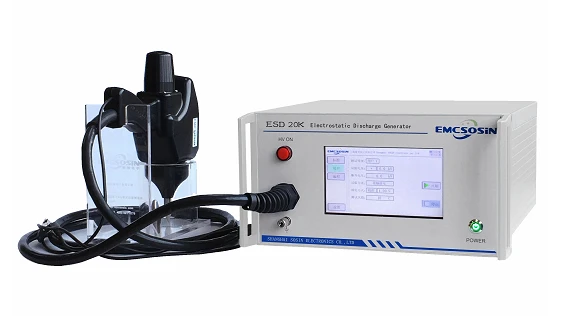
Electrostatic discharge occurs when built-up electrical charge moves suddenly between objects with different electrical potentials. This event can happen during manufacturing, product assembly, transportation, or everyday use. Electronic devices are particularly sensitive because their semiconductor structures contain small, delicate elements that may not tolerate high transient voltages. An ESD event can cause immediate failure or create hidden damage that reduces long-term reliability. For this reason, engineers often include dedicated ESD protection devices in their circuit designs to help limit the electrical stress reaching sensitive components.
ESD protection devices are commonly designed to respond quickly when a transient voltage exceeds a specified level. Many use transient voltage suppression (TVS) technology to provide a low-impedance path for excess current and help keep the voltage across protected components within safer limits. However, no single device fits every application. Engineers must consider the circuit’s normal operating voltage, the expected discharge conditions, signal speed, and required protection level. Good-Ark ESD devices can be evaluated through these same design principles, helping engineers identify components that match their system requirements. Proper device selection, layout, and testing work together to improve protection performance.
Key Specifications for Selecting Good-Ark ESD Devices
Electrical specifications are central to choosing the right ESD protection component. Working voltage indicates the level at which a device can operate under normal conditions without entering its intended protection state. Clamping voltage describes the voltage that may appear across the protection device during a specified transient current. Peak pulse current indicates the current a device can handle under defined pulse conditions. Leakage current is also important because excessive leakage may affect circuits that require low power consumption or accurate signal measurement. Reviewing these values together gives engineers a clearer picture of how a component may perform in a real application.
Capacitance and package type are equally important, especially in compact products and high-speed communication systems. High capacitance can affect signal quality on sensitive data lines, so low-capacitance protection may be needed for USB, HDMI, Ethernet, and other high-speed interfaces. Package dimensions influence circuit board space, assembly methods, and component placement. When comparing Good-Ark ESD devices, engineers should check the complete datasheet rather than relying on a single specification. Test conditions, tolerances, and operating limits can differ between products, even when their headline ratings appear similar. Careful comparison helps reduce design risks and supports better component selection.
Applications Across Modern Electronic Systems
ESD protection is useful in many types of electronic equipment. Consumer products such as smartphones, tablets, computers, televisions, and smart home devices contain sensitive circuits and external connections that may be exposed to electrostatic discharge. Ports, buttons, touch interfaces, and connectors can provide paths for unwanted electrical energy to enter a device. Suitable ESD protection helps reduce the risk of damage and supports stable product operation. Engineers must balance protection performance with available board space, signal integrity, power requirements, and production cost when designing these products.
Industrial controls, automotive electronics, telecommunications equipment, and medical electronics may also require protection against electrostatic discharge and other transient events. In these environments, the choice of component depends on the electrical interface, operating conditions, and applicable design standards. Good-Ark ESD devices may be considered for appropriate circuit protection needs when their verified specifications match the application. Engineers should also remember that ESD protection is only one part of an overall reliability strategy. Grounding, shielding, printed circuit board layout, connector design, and system-level testing all influence the final result. A coordinated approach provides a stronger foundation for dependable electronic products.
Comparing Packages, Performance, and Design Requirements
A well-organized product comparison makes it easier to identify a suitable ESD protection solution. Engineers can begin by filtering available components according to package, working voltage, leakage current, peak pulse current, and capacitance. These characteristics help narrow a broad selection to devices that meet the basic needs of a circuit. Individual product records and datasheets can then provide further information, including clamping performance, electrical limits, and recommended operating conditions. This process saves research time and helps teams compare components using consistent technical criteria instead of relying on product names alone.
When evaluating Good-Ark ESD devices, designers should also consider component availability, assembly requirements, lifecycle expectations, and support documentation. A device with an attractive electrical rating may not be the best choice if its package does not fit the board or its capacitance affects signal performance. Likewise, a component that works in an early prototype should still be tested under realistic operating conditions before production approval. Engineers should verify ratings against the latest official datasheet and applicable standards. Good-Ark’s experience in the diode and semiconductor industry provides a relevant starting point for product research, while careful technical review ensures that the final selection is based on the needs of the actual design.
Good-Ark’s Commitment to Quality and Future Development
Good-Ark’s development reflects a long-term commitment to manufacturing, learning, customer relationships, and business growth. According to its company history, the business began its journey in 1991 and has worked to develop its capabilities through years of effort and cooperation. Its story highlights the importance of employees, suppliers, customers, and shared responsibility in building a lasting enterprise. The company’s vision of expanding its international presence also reflects its ambition to serve a wider market. For electronic manufacturers exploring semiconductor suppliers, this background offers insight into the values that guide Good-Ark’s development and customer relationships.
The company’s focus on employee development, mutual benefit, and continuous improvement provides a broader view of its business philosophy. These principles matter in an industry where product knowledge, manufacturing discipline, and dependable cooperation support customer success. Good-Ark ESD devices should still be assessed through their published electrical specifications and suitability for the intended application, but understanding the company behind the products can help buyers conduct a more complete supplier evaluation. By combining careful technical research with clear communication and appropriate validation, engineers and purchasing teams can make better-informed decisions. This approach supports reliable designs while helping build productive relationships across the semiconductor supply chain.
Conclusion
Electrostatic discharge protection plays an important role in improving the reliability of modern electronic systems. Selecting the right component requires more than checking a voltage rating. Engineers must also consider clamping voltage, peak pulse current, leakage current, capacitance, package dimensions, and the needs of the protected interface. Reviewing these characteristics together helps ensure that an ESD protection device fits the circuit and performs as intended under defined conditions.
Good-Ark ESD devices offer a relevant category for engineers and manufacturers researching semiconductor protection solutions. By comparing product specifications, reviewing official datasheets, and testing components in realistic operating environments, design teams can identify options that meet their technical requirements. Good-Ark’s history, customer-focused values, and ambition for global growth add context to its position in the semiconductor industry. Ultimately, effective ESD protection depends on informed component selection, sound circuit design, and thorough validation. These steps help create electronic products that are more robust, dependable, and ready for the demands of modern technology.
