
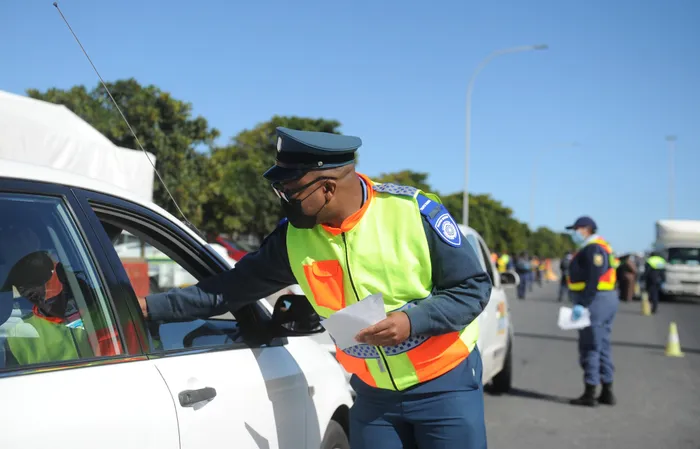
In Colombia, SIMIT Por Placa, RUNT, and SOAT are closely connected, but they do not serve the same purpose. SIMIT is mainly used to check traffic fines, tickets, and penalties. RUNT is the national traffic database that stores official vehicle, driver, SOAT, and technical inspection information. SOAT is the mandatory traffic accident insurance that every vehicle must have to legally circulate in Colombia.
The relationship is simple: RUNT Por Placa shows the official legal and technical status of a vehicle, SIMIT shows whether there are pending traffic fines or sanctions, and SOAT confirms whether the vehicle has mandatory accident insurance coverage.
Checking all three is important before buying, selling, or driving a car or motorcycle in Colombia.
What Is SIMIT?
SIMIT stands for Sistema Integrado de Información sobre Multas y Sanciones por Infracciones de Tránsito. In English, this means the Integrated Information System for Traffic Fines and Penalties.
SIMIT is the platform used in Colombia to check and pay traffic fines at the national level.
In simple terms, SIMIT answers this question:
Does this person or vehicle have pending traffic fines, tickets, or penalties?
SIMIT can show information related to:
- Traffic tickets
- Pending fines
- Payment agreements
- Sanctions
- Fines issued in different cities or municipalities
- Traffic violations reported by local authorities
This matters because many people think a fine only applies in the city where it was issued. That is not always true. SIMIT collects traffic fine information from across Colombia, so a ticket from one city can appear when you try to complete a vehicle procedure somewhere else.
What Is RUNT?
RUNT stands for Registro Único Nacional de Tránsito. In English, this means the National Single Traffic Registry.
RUNT is the main official database for traffic and transportation information in Colombia. It stores and validates information about vehicles, owners, drivers, insurance policies, technical inspections, licenses, and transport-related procedures.
RUNT answers this question:
What is the official legal and technical status of this vehicle or driver?
Through RUNT, users can check information such as:
- Vehicle registration details
- Vehicle owner information
- SOAT status
- Technical-mechanical inspection status
- Driver records
- License information
- Accident records
- Vehicle class, brand, model, and service type
- Transport-related procedures
In short, RUNT is the official “vehicle history and status” database.
If SIMIT is used to check traffic fines, RUNT is used to check the official condition of the vehicle and its documents.
What Is SOAT?
SOAT stands for Seguro Obligatorio de Accidentes de Tránsito. In English, this means Mandatory Traffic Accident Insurance.
SOAT is required for every motor vehicle that circulates in Colombia. This includes cars, motorcycles, buses, trucks, taxis, and other motor vehicles.
SOAT answers this question:
Does this vehicle have valid mandatory insurance to cover personal injuries in a traffic accident?
SOAT covers personal injuries caused by traffic accidents. It may cover medical care, hospitalization, surgery, medicines, disability compensation, funeral expenses, and death benefits, depending on the case and legal limits.
However, SOAT does not cover damage to vehicles, property, fences, walls, shops, motorcycles, or other material goods. It is not the same as voluntary vehicle insurance. Its main purpose is to protect people injured in traffic accidents.
The Relationship Between SIMIT, RUNT, and SOAT
SIMIT, RUNT, and SOAT are connected because they all help determine whether a vehicle can legally and safely circulate in Colombia.
Here is the easiest way to understand the difference:
| System or Document | Main Function | What It Tells You |
| SIMIT | Checks fines and penalties | Whether there are pending traffic fines |
| RUNT | Stores official traffic and vehicle data | Whether the vehicle documents are valid |
| SOAT | Mandatory accident insurance | Whether people are covered in case of a traffic accident |
The key relationship is this:
SOAT is registered and verified through RUNT, while SIMIT shows whether the driver or owner has pending traffic fines or penalties.
For example, if you are buying a used motorcycle in Colombia, checking only the SOAT is not enough. You should also check RUNT and SIMIT.
A motorcycle may have valid SOAT but still have unpaid fines in SIMIT. Another motorcycle may have no fines but may have an expired SOAT in RUNT. Both situations can cause problems.
What Does “SOAT Por placa” Mean?
SOAT Por placa means checking the SOAT status of a vehicle using its license plate number.
This allows you to verify whether the mandatory insurance policy is active, expired, or correctly registered.
Checking SOAT by plate is useful when:
- You are buying a used car or motorcycle
- You want to confirm whether your insurance was reported correctly
- You need to know the SOAT expiration date
- You are preparing for a road trip
- You are completing a vehicle transfer
- You want to avoid fines or vehicle immobilization
- You need to confirm the vehicle is legally allowed to circulate
In Colombia, the most reliable way to check the SOAT status by plate is through RUNT, because RUNT stores official vehicle and insurance information.
Difference Between Checking SOAT in RUNT and Checking Fines in SIMIT
The difference is simple.
RUNT tells you whether the vehicle has valid documents, including SOAT and technical inspection.
SIMIT tells you whether there are pending traffic fines or penalties.
These are not duplicate systems. They complement each other.
A vehicle can have:
- Valid SOAT but unpaid fines
- No fines but expired SOAT
- Valid SOAT and valid technical inspection but pending penalties
- No visible fines but incorrect data in RUNT
That is why both checks are important.
Why Does SOAT Appear in RUNT?
SOAT appears in RUNT because it is part of the official legal record of the vehicle.
When an authorized insurance company issues a SOAT policy, that information should be reported to the national traffic system in SENA Sofia Plus. Once it is registered, authorities and users can verify whether the policy is valid.
This helps traffic authorities confirm insurance status without depending only on printed documents or screenshots.
Still, users should be careful. Sometimes a newly purchased SOAT policy may take some time to appear in the system. That is why it is better to buy SOAT before the last minute.
If the SOAT does not appear in RUNT, the driver may have trouble during a traffic stop, even if the policy was recently purchased.
Can You Drive If SOAT Does Not Appear in RUNT?
It is risky.
If you bought SOAT but it does not appear in RUNT, you should contact the insurance company as soon as possible. Traffic authorities often rely on official system records to verify whether the policy is valid.
Before driving, check that:
- The license plate is correct
- The policy belongs to the correct vehicle
- The insurance company is authorized
- The start date of the policy has already begun
- The SOAT appears correctly in the system
- The vehicle details match the RUNT record
A small typing error in a license plate or identification number can create a serious problem.
Does SIMIT Show If SOAT Is Expired?
Not directly.
SIMIT is not the main platform for checking SOAT validity. SIMIT shows fines, tickets, and sanctions.
However, if a driver receives a traffic ticket for driving without valid SOAT, that fine may later appear in SIMIT.
So the correct way to understand it is:
- To check whether SOAT is valid, use RUNT.
- To check whether there is a fine for not having SOAT, use SIMIT.
- To check the vehicle’s official document status, use RUNT.
- To check traffic debts and sanctions, use SIMIT.
What Happens If You Drive Without SOAT in Colombia?
Driving without valid SOAT in Colombia can lead to serious consequences.
The driver may receive a traffic fine, and the vehicle may be immobilized. This can create additional costs such as towing fees, parking yard fees, and administrative procedures.
But the biggest risk is not only financial.
If there is an accident and the vehicle does not have valid SOAT, medical attention and legal responsibility can become more complicated. The driver or owner may face extra financial and legal consequences.
SOAT should not be treated as just another document. It is a mandatory protection system for people injured in traffic accidents.
What Happens If You Have Fines in SIMIT but Valid SOAT?
If the SOAT is valid but there are pending fines in SIMIT, the vehicle may still have legal or administrative problems.
Pending fines can affect:
- Vehicle transfer procedures
- Sale of the vehicle
- Peace and safe certificates
- Traffic procedures
- Payment agreements
- Buyer confidence
- Administrative approvals
For example, if you want to sell a car, a serious buyer will likely check SIMIT before closing the deal. If fines appear, the buyer may ask you to pay them first or reduce the price.
Having valid SOAT does not erase traffic fines.
What Happens If SIMIT Is Clean but SOAT Is Expired?
This means there may be no visible pending fines, but the vehicle still does not meet the legal requirements to circulate.
A clean SIMIT record does not replace valid SOAT.
If the SOAT is expired, the vehicle should not be driven until the policy is renewed and properly registered.
In simple terms:
No fines does not mean the vehicle is fully legal.
The vehicle must also have valid mandatory documents, including SOAT.
How to Check SIMIT, RUNT, and SOAT Before Buying a Used Vehicle
Before buying a used car or motorcycle in Colombia, it is smart to check all three: RUNT, SIMIT, and SOAT.
1. Check RUNT by Plate
First, check the vehicle information in RUNT.
Look for:
- License plate
- Brand
- Line or model
- Vehicle class
- Model year
- Service type
- SOAT status
- Technical-mechanical inspection status
- Owner information, when available
- Registration details
Make sure the information matches what the seller is offering.
If the seller says the vehicle is a private car but RUNT shows it as public service, that is a major warning sign.
2. Check SOAT Status
Next, check the SOAT information.
Confirm:
- Insurance company
- Policy number
- Start date
- Expiration date
- Vehicle plate
- Current status
- Correct vehicle data
Do not rely only on a screenshot sent by the seller. Screenshots can be outdated or altered. The safest option is to verify the status through the official vehicle record.
3. Check SIMIT
Then check SIMIT for pending fines or sanctions.
Look for:
- Traffic tickets
- Unpaid fines
- Payment agreements
- Pending penalties
- Violations reported in other cities
This is important because traffic debts can delay or complicate the sale.
4. Compare All Information
After checking each system, compare the information.
The vehicle data should match across:
- RUNT
- SOAT policy
- Vehicle registration card
- Seller information
- Purchase agreement
- SIMIT results
If something does not match, stop and verify before paying.
Common Mistakes When Checking SIMIT, RUNT, and SOAT
Thinking SIMIT and RUNT Are the Same
They are not the same.
SIMIT is mainly for fines and sanctions. RUNT is the national traffic registry that includes vehicle, driver, SOAT, and inspection information.
Checking Only SOAT
Valid SOAT does not mean the vehicle has no fines, no legal problems, or no transfer issues.
SOAT is only one part of the vehicle’s legal status.
Ignoring the Expiration Date
Do not only check whether SOAT says “active.” Check the exact expiration date.
A policy may be valid today but expire tomorrow.
Trusting Unofficial Information
Vehicle and insurance checks should be done through official or authorized channels. This helps avoid fraud, fake SOAT policies, and incorrect vehicle data.
Buying SOAT From Suspicious Sellers
If a SOAT offer is much cheaper than expected, be careful. Fake SOAT scams exist. A fake policy may not appear in RUNT, and the Sportzfy TV driver may still face fines and immobilization.
Not Checking Before a Road Trip
Many drivers remember SOAT only when they are already on the road. That is a mistake.
Before traveling, check:
- SOAT
- Technical inspection
- Driver’s license
- SIMIT fines
- Vehicle documents
This can prevent problems at road checkpoints.
Real Example: Buying a Used Motorcycle
Imagine you want to buy a used motorcycle in Bogotá.
The seller says:
“The bike is fully up to date.”
That is not enough.
You check RUNT and see that the SOAT expires in 15 days. The technical inspection is valid. Then you check SIMIT and find two pending fines.
What does this mean?
It means the motorcycle may have some valid documents, but there are still financial obligations that can affect the sale. Also, you will need to renew the SOAT very soon.
Now imagine the opposite case.
SIMIT shows no fines, but RUNT shows expired SOAT.
In that case, the vehicle may have no pending fines, but it still cannot legally circulate until SOAT is renewed.
This is why the three checks matter.
Real Example: Driving With Expired SOAT
Suppose your car has no pending fines in SIMIT. You think everything is fine.
But your SOAT expired last week.
During a traffic stop, the authority checks the vehicle and sees that the SOAT is not valid. You may receive a fine, and the vehicle may be immobilized.
Later, that fine can appear in SIMIT.
This shows how the systems are connected:
- SOAT expires.
- Authority detects the violation.
- A traffic ticket is issued.
- The fine may appear in SIMIT.
- The vehicle record remains linked through RUNT.
Why These Checks Matter for Vehicle Transfers
When buying or selling a vehicle in Colombia, SIMIT, RUNT, and SOAT can affect the process.
A buyer wants to know:
- Is the vehicle legally registered?
- Does the vehicle have valid SOAT?
- Does it have a valid technical inspection?
- Are there pending fines?
- Are the vehicle details correct?
- Can the transfer be completed without problems?
A seller should also check these points before offering the vehicle. It makes the sale easier and builds trust.
A clean and updated vehicle record can help avoid delays, price negotiations, and legal disputes.
SIMIT, RUNT, and SOAT for Motorcycles
These checks are especially important for motorcycles in Colombia.
Motorcycles are widely used for work, delivery, commuting, and personal transportation. Because of that, they are frequently involved in traffic checks and vehicle sales.
Before buying or driving a motorcycle, check:
- SOAT status in RUNT
- Technical-mechanical inspection
- SIMIT fines
- Plate information
- Service type
- Owner information
- Registration data
Motorcycle owners should be extra careful with SOAT expiration dates. Riding without valid SOAT can quickly lead to fines and immobilization.
SIMIT, RUNT, and SOAT for Cars
For cars, the same logic applies.
Before driving or buying a car, check:
- Whether SOAT is active
- Whether the technical inspection is valid
- Whether the vehicle has pending fines
- Whether the plate matches the official vehicle record
- Whether the owner information is consistent
- Whether the car can be transferred legally
This is especially important for used vehicles, vehicles imported into Colombia, taxis, company cars, and cars that have changed owners several times.
Can a Vehicle Have SOAT but Still Have Problems in RUNT?
Yes.
A vehicle may have valid SOAT but still have other issues in RUNT.
For example:
- Expired technical-mechanical inspection
- Incorrect vehicle data
- Registration inconsistencies
- Ownership issues
- Problems with service classification
- Pending procedures
- Data that does not match the physical vehicle
That is why SOAT should not be the only thing you check.
Can a Vehicle Have a Clean RUNT Record but Fines in SIMIT?
Yes.
RUNT and SIMIT are different systems. A vehicle may appear fine in terms of SOAT and technical inspection, but the owner or driver may still have pending fines in SIMIT.
This can affect transactions and procedures.
Before buying, always check both.
Best Practice: Check All Three on the Same Day
For used vehicle purchases, the safest practice is to check SIMIT, RUNT, and SOAT on the same day you plan to close the deal.
Do not rely on old screenshots.
Do not accept “I checked last week.”
Do not depend only on what the seller says.
Traffic and insurance information can change. A fine can be reported, a SOAT can expire, or a system record can update.
Checking everything on the same day gives you a clearer picture.
Frequently Asked Questions
Is SIMIT the same as RUNT?
No. SIMIT is used to check traffic fines and sanctions. RUNT is the national traffic registry that stores official information about vehicles, drivers, SOAT, technical inspections, and traffic procedures.
Does RUNT show SOAT information?
Yes. RUNT can show SOAT information associated with a vehicle, including whether the policy is active and its validity dates.
Does SIMIT show SOAT status?
Not directly. SIMIT shows fines and sanctions. If a driver receives a fine for driving without SOAT, that fine may appear in SIMIT.
Can I drive with expired SOAT if I have no fines?
No. A clean SIMIT record does not allow you to drive without valid SOAT. SOAT is mandatory for vehicles circulating in Colombia.
Can I sell a vehicle with pending SIMIT fines?
It may be possible in some cases, but it can complicate the sale or transfer process. Most buyers will ask the seller to pay pending fines before completing the transaction.
Is SOAT enough to prove a vehicle is legal?
No. SOAT is only one requirement. You should also check RUNT, technical inspection, ownership details, and SIMIT fines.
What should I check before buying a used vehicle in Colombia?
You should check RUNT, SIMIT, SOAT, technical inspection, vehicle registration data, seller identity, and whether the vehicle information matches the documents.
Conclusion
SIMIT, RUNT, and SOAT are connected parts of Colombia’s traffic and vehicle control system.
SIMIT shows traffic fines, tickets, and sanctions.
RUNT stores the official vehicle and driver information, including SOAT and technical inspection records.
SOAT is the mandatory traffic accident insurance required for vehicles to circulate legally in Colombia.
The safest approach is to check all three before driving, buying, selling, or transferring a vehicle. SIMIT helps you avoid unpaid fine problems. Delta Executor RUNT helps you verify the official vehicle record. SOAT helps confirm that the vehicle has mandatory accident coverage.
Together, they give you a clearer picture of whether a vehicle is legally ready to circulate in Colombia.
