
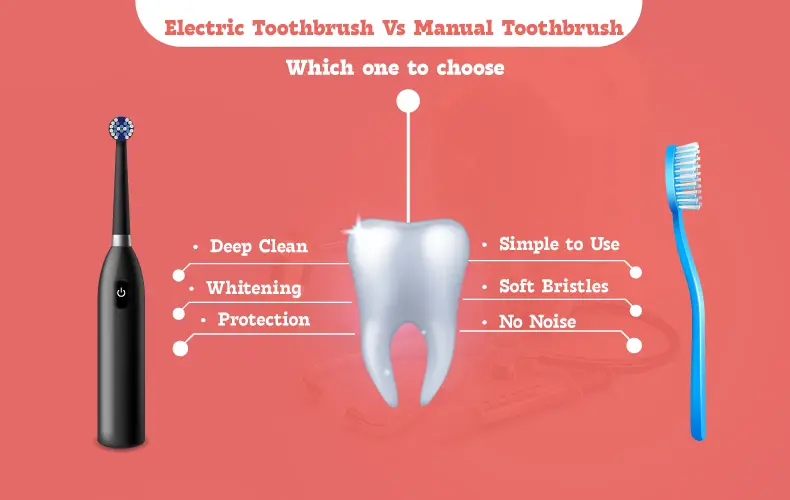
Toothbrush shopping should be simple, right? You walk in for one little brush, and suddenly you are staring at a wall of vibrating, spinning, neon-handled dental gadgets that look ready to launch into space. Meanwhile, the humble manual toothbrush sits quietly nearby, looking like it has nothing to prove.
So, which one actually deserves a spot beside your sink? The real answer is not as dramatic as the packaging would have you believe, but there are clear differences worth knowing about.
The Cleaning Power Contest
Both electric and manual toothbrushes can clean teeth well when used properly. That is the important part, and it deserves a tiny round of applause for the manual brush. It is affordable, easy to find, travel-friendly, and perfectly capable of removing plaque when you use good technique.
That said, electric toothbrushes do have an evidence-based advantage. Research has found that powered brushes can reduce plaque and gingivitis more than manual brushes, especially over time. One major review reported that after three months, electric toothbrush users had lower plaque and gum inflammation compared with manual brush users.
Why the extra sparkle? Electric brushes do much of the motion for you. Depending on the model, the head may rotate, oscillate, pulse, or vibrate at a speed your hand simply cannot match unless you are secretly part hummingbird. This can make cleaning more consistent, especially around the gumline and back teeth.
If you are unsure which type of toothbrush is best for your oral health needs, a dentist can help you choose based on your teeth, gums, and brushing habits. Visiting the best dental clinic in Dubai can also give you personalized guidance on brushing technique and the type of toothbrush that may work best for you.
Technique Changes Everything
A manual toothbrush asks more from you. You need to angle the bristles correctly, use small, gentle motions, reach every surface, and avoid scrubbing like you are sanding a table. Too much pressure can irritate gums and wear enamel over time, so gentle brushing is not just polite, it is practical.
Electric toothbrushes require a different style. Instead of scrubbing, you guide the brush slowly from tooth to tooth and let the motor do the hard work. Many models also include timers that help people reach the recommended 2 minutes. Some even have pressure sensors that tell you when your enthusiasm has become a little too heroic.
Still, an electric toothbrush cannot rescue a lazy routine. If you wave it around for thirty seconds while half asleep, it will not perform dental miracles. The brush matters, but the habit matters more.
Comfort, Cost, and Daily Reality
Manual toothbrushes are the budget champions. They are inexpensive, lightweight, quiet, and need no charger. They are also easy to replace every three to four months, or sooner if the bristles look like they have been through a tiny tornado.
Electric toothbrushes cost more upfront, and replacement heads add to the expense. They also need charging or batteries, which can be mildly annoying if your brush dies mid-routine.
But electric brushes can be easier for people with limited hand movement, arthritis, or braces, as well as for anyone who finds manual brushing awkward. The larger handle is often easier to grip, and the powered movement reduces the amount of hand motion needed.
There is also the motivation factor. Some people simply brush better when the brush feels smarter. A timer, a buzzing reminder, or a fancy cleaning mode can turn brushing from a chore into a small daily ritual. If a gadget makes you brush longer and more carefully, that is not just marketing glitter. That is useful behavior design.
So Which Brush Wins
The winner depends on the mouth, the person, and the routine. Choose a manual toothbrush if you are consistent, gentle, thorough, and prefer something simple. Pick one with soft bristles and a head that comfortably reaches the back teeth.
Choose an electric toothbrush if you want extra help with timing, pressure control, or technique. It is also a smart choice if you struggle to clean thoroughly with a manual brush or have dental appliances that create tricky spaces.
If appearance is also part of your oral care goals, your dentist can recommend a brushing routine that helps maintain both health and aesthetics. This can be especially useful for people considering cosmetic treatments such as a Hollywood smile in Dubai, where keeping the teeth and gums healthy is an important part of maintaining the final result.
No matter which brush you choose, the golden rules stay the same. Brush twice a day with fluoride toothpaste for about two minutes. Clean all tooth surfaces. Replace the brush or brush head regularly. Do not treat floss or interdental cleaning like an optional side quest forever.
In the end, electric toothbrushes have the edge for many people, but manual brushes are not dental dinosaurs. The best toothbrush is the one you use properly, consistently, and without declaring war on your gums. Your teeth are not picky about fancy features. They just want a good clean every day.
